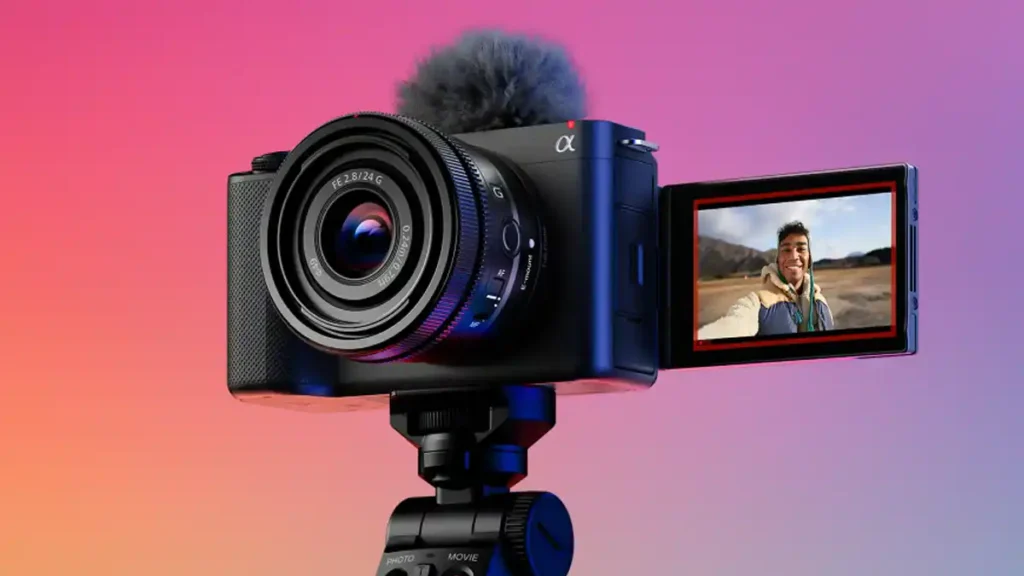
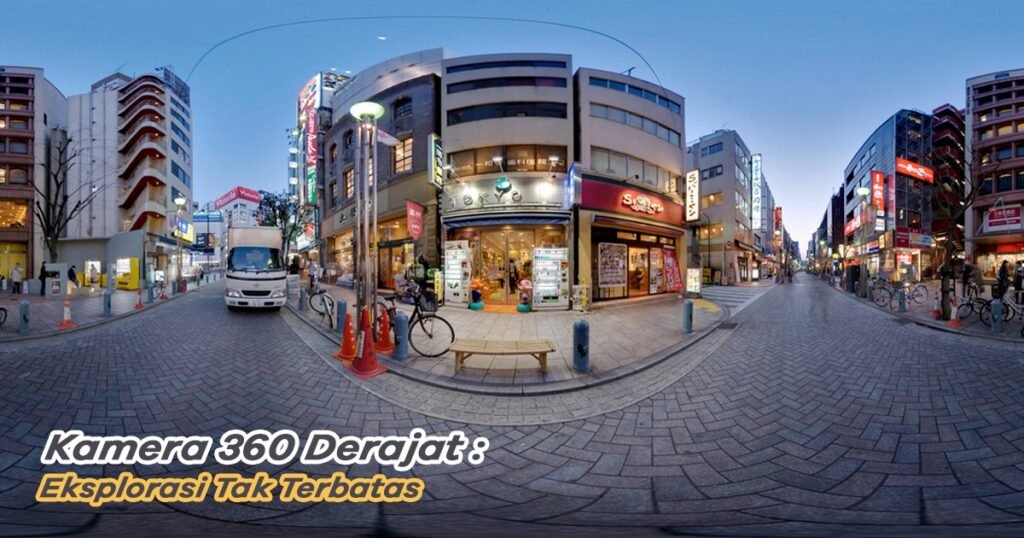
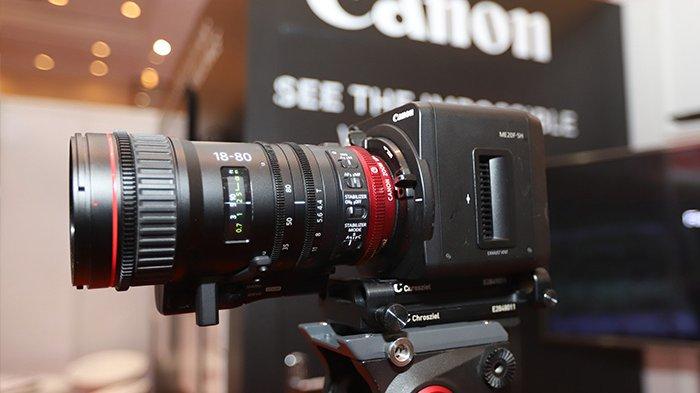
Kamera Industri Otomotif dan Pemantauan Proses Produksi – Kamera telah menjadi bagian integral dari industri otomotif modern, membuka jalan bagi peningkatan efisiensi produksi dan pemantauan proses yang lebih cermat. Di tengah persaingan global yang ketat, produsen otomotif telah memanfaatkan teknologi kamera untuk meningkatkan kualitas, keamanan, dan efisiensi produksi mereka.
Evolusi Kamera dalam Industri Otomotif
Perkembangan kamera dalam industri otomotif telah menciptakan paradigma baru dalam pemantauan proses produksi. Dari kamera CCTV konvensional hingga kamera beresolusi tinggi dan kamera termal, setiap inovasi telah memainkan peran penting dalam meningkatkan efisiensi produksi.
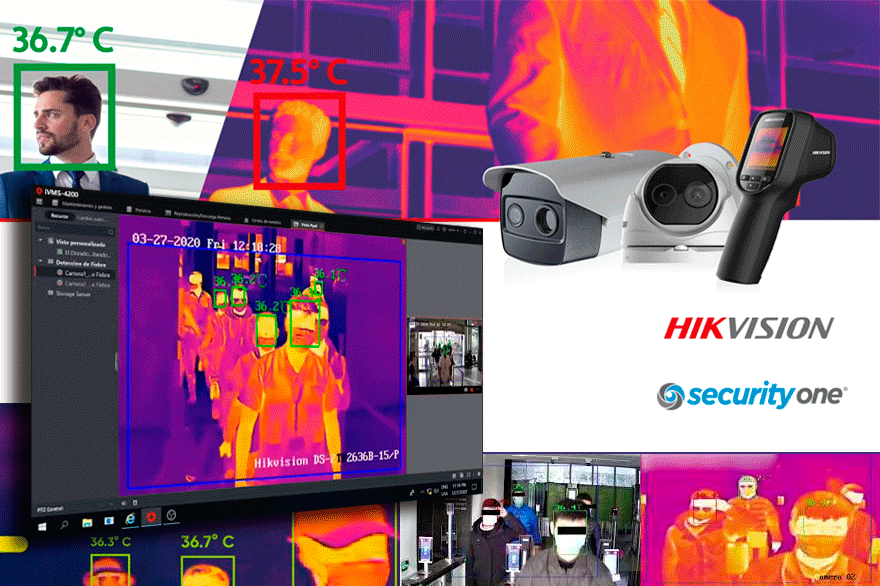
Kamera beresolusi tinggi, misalnya, memungkinkan produsen otomotif untuk memeriksa detail yang sangat kecil pada komponen kendaraan, sehingga memastikan kualitas yang tinggi. Sementara itu, kamera termal digunakan untuk mendeteksi panas berlebih pada mesin atau komponen lainnya, memungkinkan perbaikan yang lebih cepat dan mengurangi risiko kegagalan.
Pemantauan Proses Produksi yang Lebih Efisien
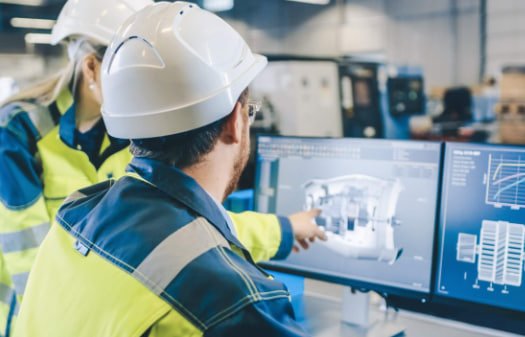
Penerapan kamera dalam industri otomotif tidak hanya meningkatkan kualitas, tetapi juga mengoptimalkan efisiensi produksi. Dengan menggunakan kamera, produsen dapat memantau proses produksi secara real-time, mengidentifikasi potensi masalah atau kegagalan dengan cepat, dan mengambil tindakan pencegahan yang diperlukan.
Misalnya, kamera dapat digunakan untuk memantau perakitan kendaraan, memastikan bahwa setiap langkah dipenuhi dengan benar dan dalam waktu yang tepat. Hal ini membantu mengurangi kesalahan manusia dan mempercepat waktu siklus produksi.
Manfaat untuk Industri Otomotif
Penerapan kamera dalam industri otomotif memberikan sejumlah manfaat signifikan. Pertama, kualitas produk ditingkatkan melalui pemeriksaan yang lebih teliti dan akurat. Kedua, efisiensi produksi ditingkatkan dengan memantau proses secara real-time dan mengurangi waktu henti. Ketiga, biaya produksi dapat dikurangi dengan mengidentifikasi masalah dengan cepat dan mencegah kegagalan.
Tantangan dan Perkembangan Masa Depan
Meskipun kamera telah membawa manfaat besar bagi industri otomotif, tantangan tetap ada. Salah satunya adalah kebutuhan untuk terus mengembangkan teknologi kamera agar lebih adaptif dan responsif terhadap perubahan dalam lingkungan produksi.
Di masa depan, perkembangan kamera dalam industri otomotif kemungkinan akan melibatkan integrasi dengan kecerdasan buatan (AI) dan Internet of Things (IoT) untuk menciptakan sistem yang lebih otomatis dan efisien.
Kesimpulan
Kamera telah menjadi salah satu teknologi kunci dalam transformasi industri otomotif menuju efisiensi produksi yang lebih besar. Dengan memanfaatkan teknologi kamera yang canggih, produsen otomotif dapat meningkatkan kualitas, keamanan, dan efisiensi produksi mereka, memungkinkan mereka untuk tetap bersaing dalam pasar global yang semakin ketat.